
Hiring Wedding Musicians in Washington, DC: What to Know Before You Book
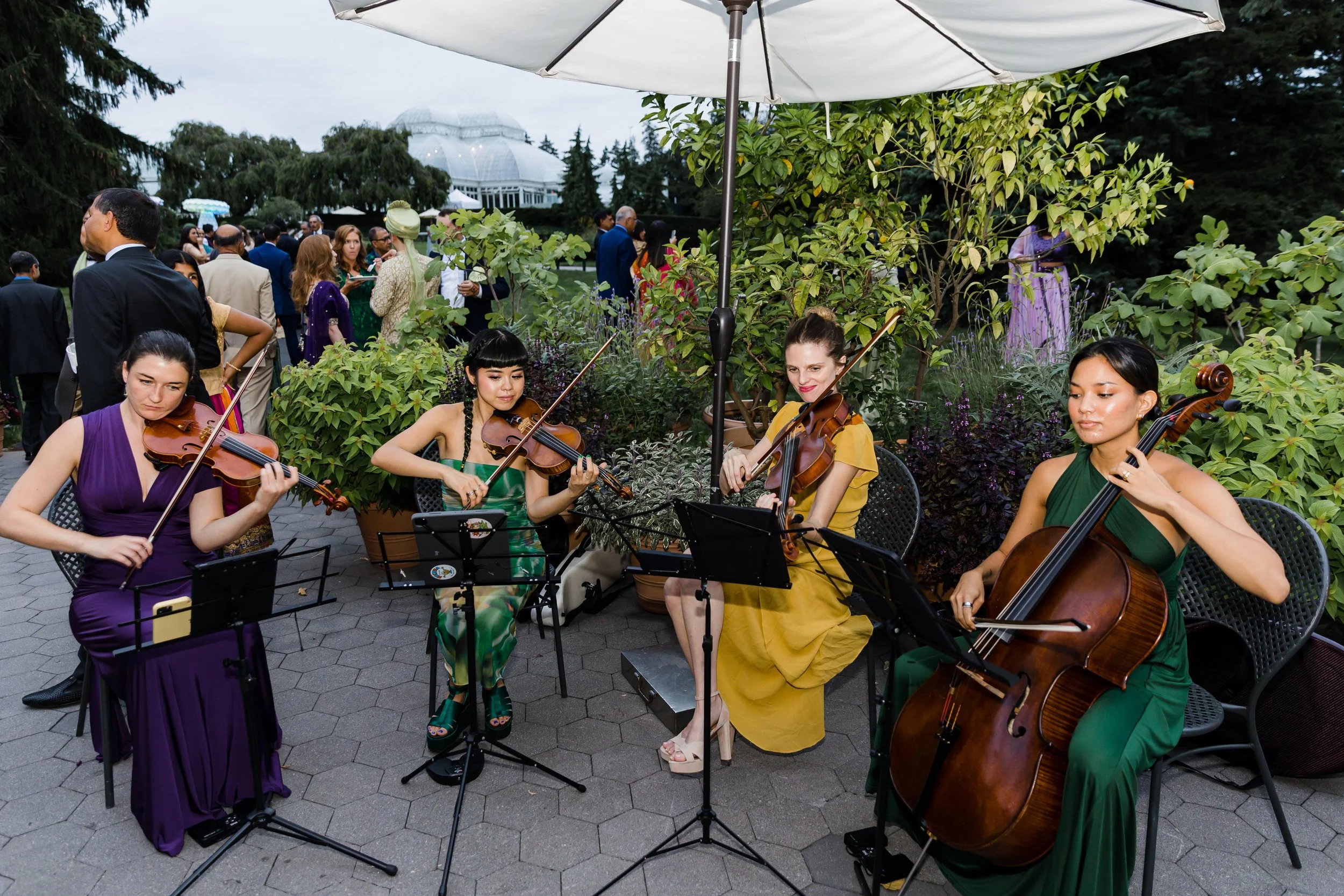
A Gilded Age ballroom on Embassy Row looks flawless on a mood board. On the day, the music has to work around a security check, a tight load-in window, and a ceremony that might start a few minutes late because a motorcade ran long. That is the real brief when you start searching for wedding musicians in Washington DC, and it is why a little homework pays off before you sign anything.
This guide covers what actually matters: matching an ensemble to your venue, settling logistics early, understanding the official DC rules that touch your ceremony day, how pricing works, and which questions to ask every musician you interview.
Why Booking Music in the District Works Differently
Washington weddings happen in an unusual mix of places: Beaux-Arts mansions with narrow load-in routes, hotels with freight elevator schedules, a working train station, and estates in Northern Virginia and Maryland where the ceremony lawn and the reception tent sit a long walk apart. Guest lists can include diplomats, government staff, and multigenerational Washington families who expect discretion as much as talent.
Musicians who have worked these rooms already know to expect venue security sweeps, protocol timing, and last-minute schedule shifts. Newer vendors often learn those lessons on your wedding day. When you compare options, look for experience in the kinds of spaces you are considering, not just a polished video reel.
Glass Artists performs for ceremonies and receptions across DC, Northern Virginia, Maryland, and the wider region, so travel to the venue you choose is rarely a barrier.
Choose the Right Ensemble for Your Space
Most couples start by asking how many musicians they need. The better question is how much sound the room can hold. Here is how the common options break down:
Solo violin or harp: Elopements, intimate ceremonies, or a cocktail hour where conversation should stay easy.
Duo (violin and cello, or harp and flute): A fuller sound for a garden ceremony or a smaller reception room.
Trio: Our most-booked configuration for DC ceremonies, balancing presence with the acoustics of historic interiors.
String quartet: Full ceremony and cocktail coverage for larger estates, ballrooms, and outdoor spaces that need to fill more air.
Matching size to space matters more than most couples expect. A string trio suits the marble foyer of Anderson House on Embassy Row, a harp and violin duo suits the scale of Dumbarton House in Georgetown, and a quartet can hold its own on the Grand Lawn at Salamander Resort in Middleburg. You can see how each group sounds on our Experience page, or read more about our wedding string quartet in Washington, DC.
Plan the Music for Every Part of the Day
Strong wedding music is not one playlist stretched across eight hours. It shifts with the day, so plan each segment separately:
Guest arrival and prelude: Gentle, familiar pieces that set the tone while people find their seats.
Processional and recessional: The moments that deserve your most personal choices, from classical standards to a favorite pop or soundtrack piece arranged for strings.
Cocktail hour: A looser, more recognizable set that keeps energy up without competing with conversation.
Reception and special moments: Dinner music, a first dance, or an entrance song, depending on how much live music you want.
Not sure what you like yet? Browse our sample setlists, which span pop, jazz, classical, Bridgerton-style favorites, Taylor Swift, R&B, and golden-era classics. Our full repertoire list covers more than 1,400 selections, and custom arrangements are part of every booking, so a must-play song that is not on the list is rarely a problem.
Settle Venue Logistics Early
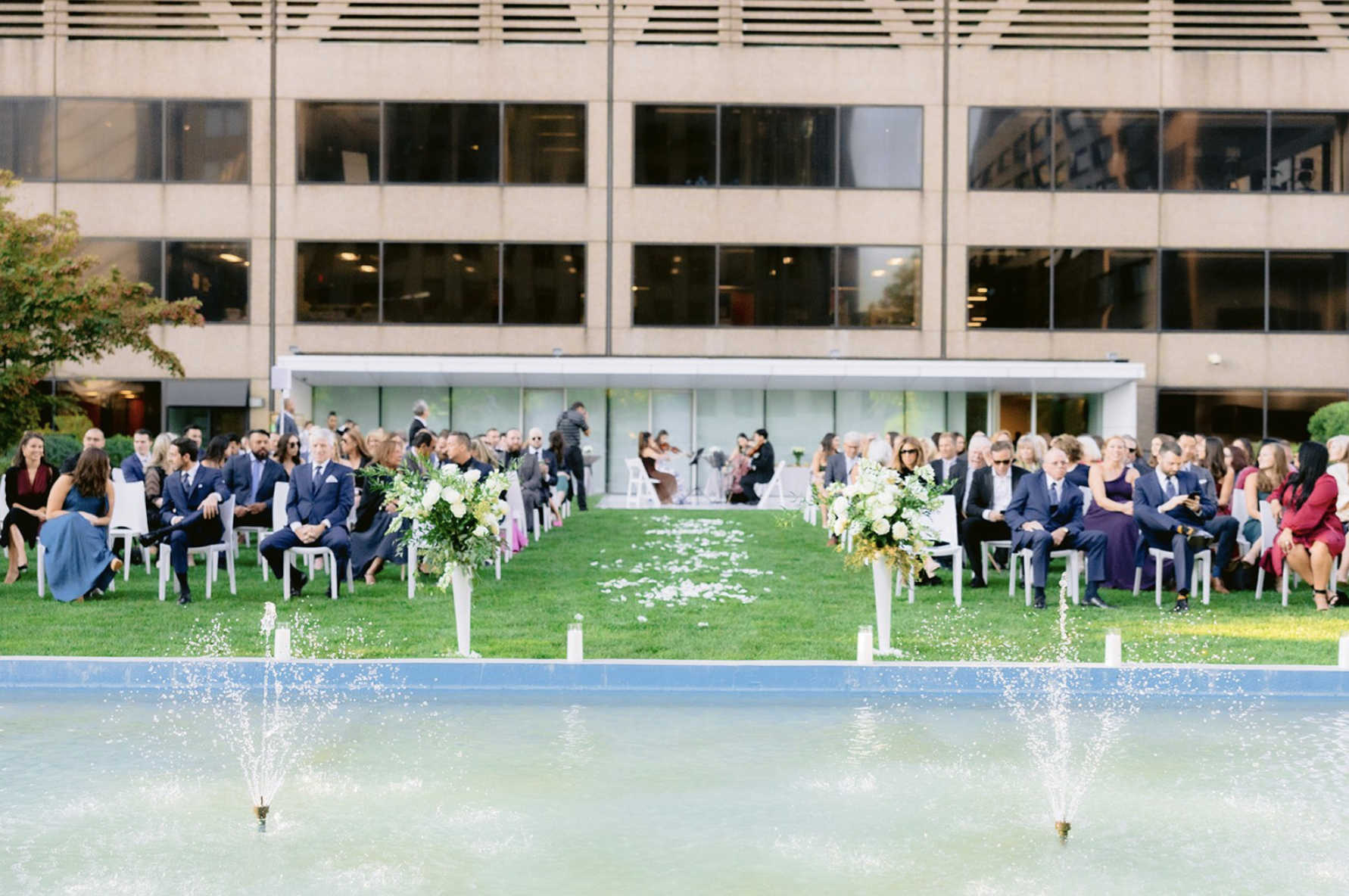
Logistics are where wedding music succeeds or struggles in the capital. Raise these points with any musician before you book:
Security and access: Secured and embassy-adjacent venues may require advance instrument and equipment lists, background information, or arrival times built around protocol schedules.
Load-in rules: Hotels and landmarks such as Union Station often restrict when and where vendors can enter.
Acoustics and floor plan: Share a floor plan and a sense of the room well before your date, not the week of the wedding.
Weather and backup space: For outdoor ceremonies, agree on a rain plan and who makes the call.
Sound coverage: Intimate rooms rarely need amplification, while large lawns and long distances between ceremony and reception spaces might. Confirm what the musicians provide and what the venue or your AV team handles.
Official DC Rules That Touch Your Ceremony Day
Two government resources are worth bookmarking while you plan the timeline.
Marriage license and ceremony requirements. The DC Superior Court Marriage Bureau at the Moultrie Courthouse on Indiana Avenue NW handles marriage license applications. The court notes that both parties and the person performing the wedding must be physically present in the District at the time of the ceremony. Since your ceremony time anchors your whole music schedule, confirm your officiant and paperwork plan early.
Weddings on National Park Service land. Dreaming of a ceremony near the monuments? The National Park Service says permits are required for weddings and ceremonies on its National Capital Region parkland, along with special events such as musical performances and celebrations. Locations, restrictions, and processing times vary, so review the National Mall and Memorial Parks permits page before you promise your musicians a location. Then tell them early, since site rules can affect load-in, power, and sound.
What Affects the Cost of Wedding Musicians in Washington, DC
Prices vary because no two bookings are the same. These are the main factors:
Ensemble size: A solo harpist and a full quartet are priced differently.
Performance length: Ceremony only, ceremony plus cocktail hour, or full-day coverage.
Travel distance: The farther the venue is from the District, the more travel factors in.
Venue requirements: Estate and embassy bookings with tight security or load-in windows are priced individually.
Sound equipment: Musicians provide their own instruments and stands. When amplification is needed and supplied by the ensemble, an extra fee may apply.
Ask for an itemized quote so you can see exactly what each part of the day costs. At Glass Artists, a 50% deposit secures your date, the balance is due before the event, and cancellation terms are spelled out in your contract.
Questions to Ask Before You Book
Bring this list to every consultation:
Have you performed at my venue, or at similar rooms?
Which ensemble size do you recommend for my guest count and space?
Can you learn our song, and is the custom arrangement included?
What equipment do you bring, and is amplification an extra charge?
What are your deposit, payment schedule, and cancellation terms?
Who is my point of contact in the weeks leading up to the wedding?
What is the plan if the weather turns or the timeline shifts?
Clear, specific answers are a good sign. At Glass Artists, every client who moves forward is paired with a dedicated concierge at no additional cost, so there is always one person to call.
Frequently Asked Questions
-
Most Washington-area ceremonies book a trio or quartet, while elopements and courthouse ceremonies often work beautifully with a single violinist or harpist. The right size depends on your venue's acoustics and your guest count.
-
Yes, with the right preparation. Experienced musicians coordinate with venue security teams, provide equipment lists in advance, and adjust arrival times around protocol or motorcade schedules.
-
Yes. We perform throughout DC, Montgomery and Prince George's Counties in Maryland, Arlington, Fairfax, and Loudoun Counties in Virginia, and down to the Richmond corridor on the right date.
Start Your Washington, DC Consultation
Tell us about your venue, your date, and your guest list, and a Glass Artists consultant will follow up with ensemble recommendations and next steps. Book your complimentary consultation or explore our Washington, DC wedding musicians page to see where we perform and how booking works.